
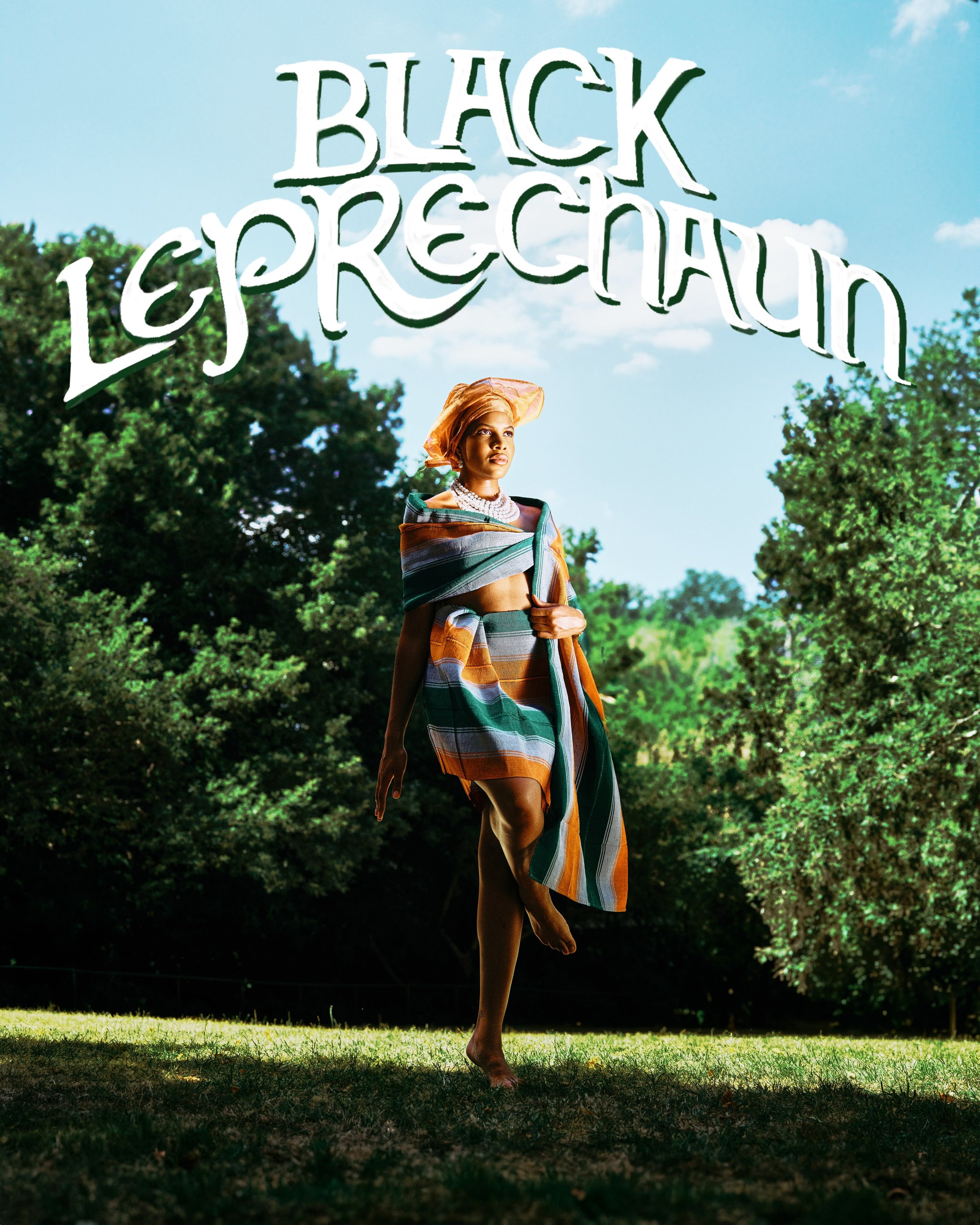
Conversations around Black identity in the UK often centre the English experience, with the histories and experiences of Black communities elsewhere receiving less attention. Among these are the Black Irish experience, which remains largely absent from wider conversations about the Black diaspora.
Actor and filmmaker Éyum-Priscilla seeks to bring this perspective to the forefront through her micro-series, Black Leprechaun. Following a Black Irish woman as she navigates school, the series explores the complexities of growing up Black in Ireland and the intersections of race, culture and identity that shape her experience. As an Irish-Nigerian actor and filmmaker, Éyum-Priscilla prides herself on "being a storyteller and uplifting voices we often don't hear from." Her dedication to storytelling and representation created a project that not only makes space for underrepresented experiences but also encourages a wider conversation about what it means to be Black and Irish.
What is Black Leprechaun and what inspired you to create the series?
Black Leprechaun is a coming-of-age story of a Black woman in Ireland.
The micro series is set in a Dublin secondary school, following the character Elakeche, as she navigates her final year before graduation. Born and raised in Ireland, she has always considered herself Irish. Yet, as she edges closer to adulthood, she is confronted with a painful truth: for many people, her identity is still up for debate. It was inspired by my own story growing up in Ireland I’ve always felt “other” but the catalyst for this series was birthed earlier this year after I posted a video online and received hundreds of hate comments. I was tired of our voices being silenced and knew the story had to be told.
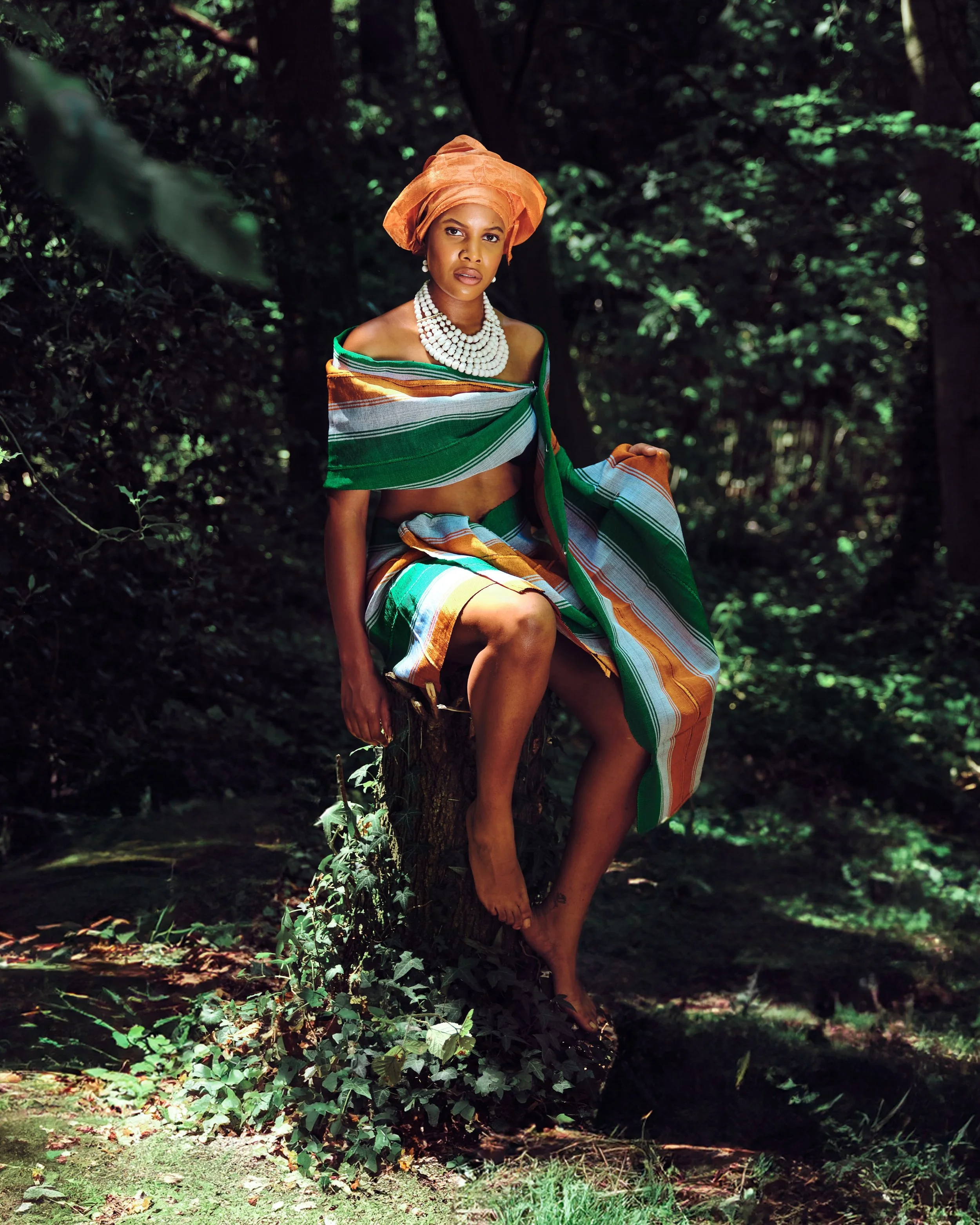
What conversations or experiences did you want to explore through the film, and why was it important to tell this story?
Through this series I wanted to tackle many different themes, internalised racism, colourism, the feeling of otherness and texturism just to name a few. But I wanted to do it through humor. I think these stories are important to be told because they are rarely spoken about, especially in Irish media. As much as I want Black Leprechaun to be social commentary, I also wanted it to be humorous and lighthearted. The plan was to release on social media, which is a platform that people come to escape so I wanted them to be able to escape into Elakeche’s world.
What does it mean to be Black and Irish?
To be Black and Irish is to balance two truths, two cultures and two nationalities. It is to feel slightly out of place in two settings constantly looking for where your feet can land. To be Black and Irish is to call two places home but never truly feel like you belong. It’s a very strange feeling but one I wouldn’t change for the world because in the otherness there’s thousands of people who can relate, and it makes you realise you’re never truly alone because you carry the story of so many.
Looking ahead, what kinds of stories or projects are you hoping to bring to life next?
Ideally, there’s still so much to explore within the Black Leprechaun world, so we’re hoping to do a season two in the same format, with 7 to 8 short episodes for social media. After that, the plan is to pitch it to production companies and see if we can get it made into a wider series. I think exploring the characters’ Nigerian side in future episodes would also be really exciting, because again, it’s about identity, balancing both of those truths and embracing both of those identities!
We’re also looking ahead to our press night on 6th November, in collaboration with Nourishment and the Museum of Youth Culture, where we’ll discuss these important topics and screen the Black Leprechaun series alongside some unseen footage. So that should be really exciting!
Credits:
Photographer: @maggiemeijun
Creative director: @joanokworii
Art director/ Stylist: @kundairis
Graphic designer: @onlyp_lon
