
Talawa Theatre Company Takes Turning 40 To A Whole New Level
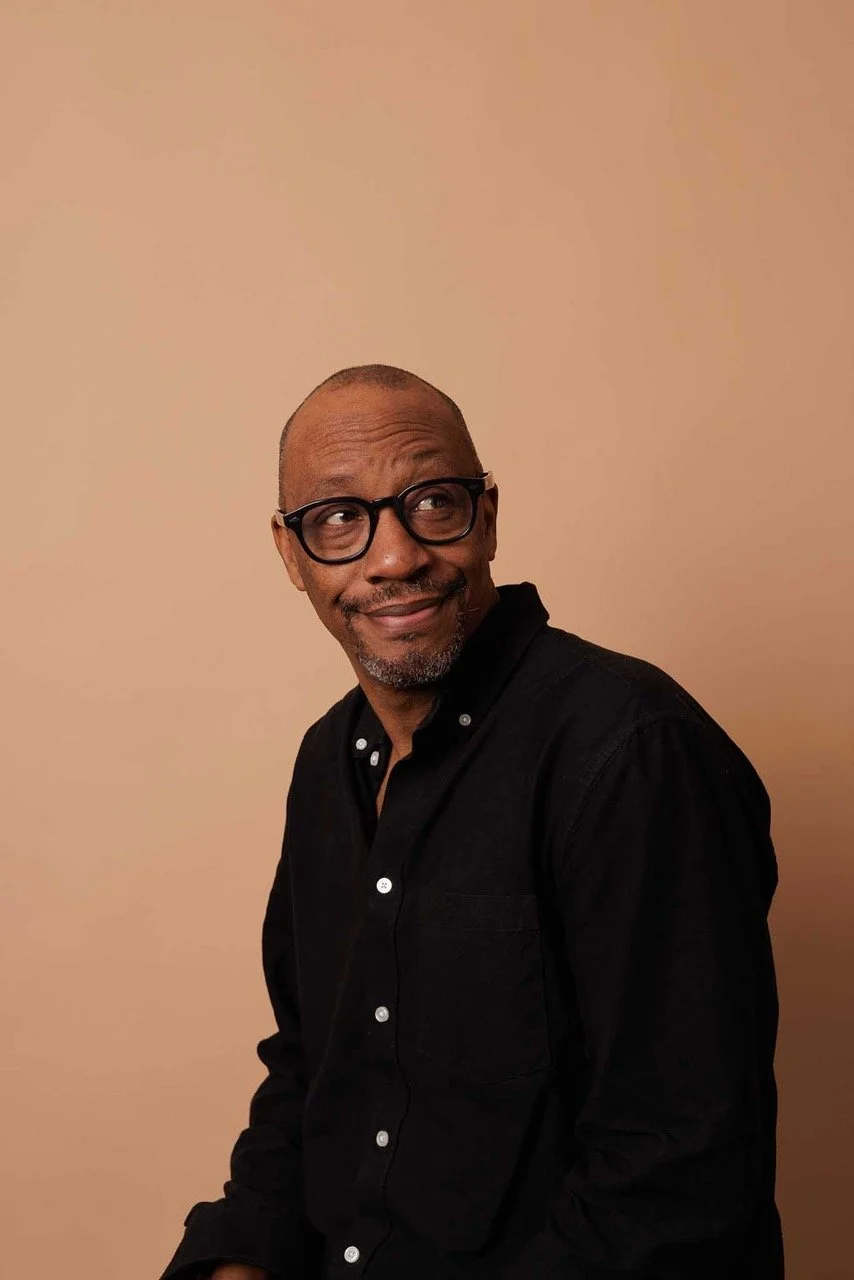
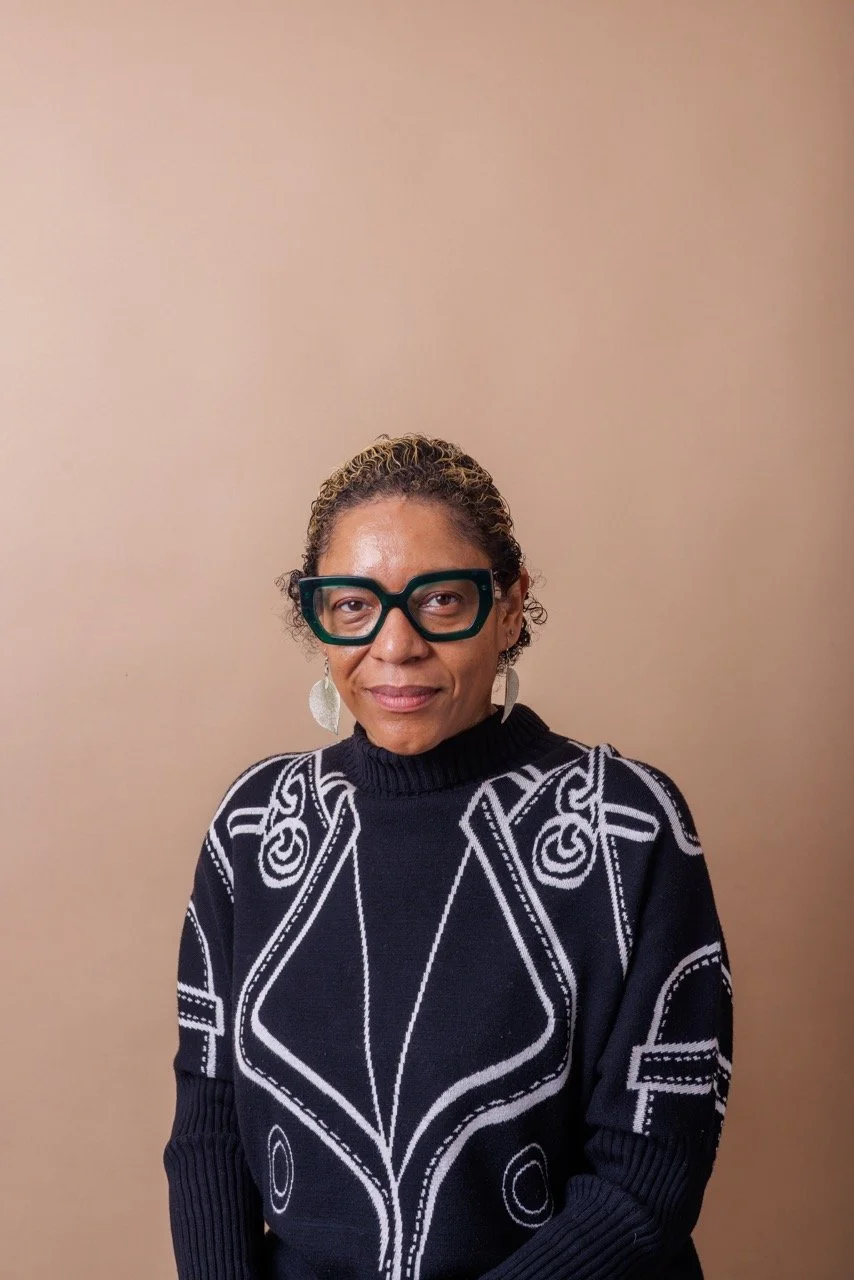
Artistic Director Michael Buffong and Executive Director Carolyn ML Forsyth
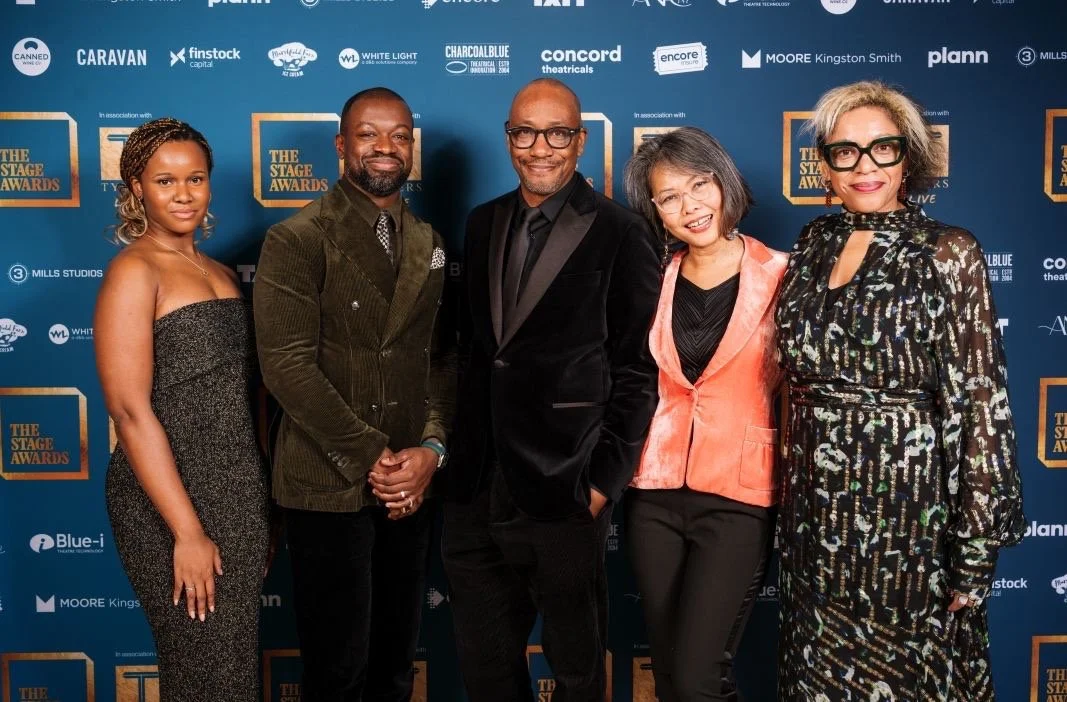
Renowned names like Malorie Blackman, Roy Williams and Michaela Coel have walked through their corridors. As Talawa Theatre Company is turning 40 years old, I’ve seized the opportunity to dig a little deeper. I sat down with their Artistic Director Michael Buffong and Executive Director Carolyn ML Forsyth, joint CEOs since 2012 and 2020 respectively, to talk about their part in the journey of steering Talawa to such a huge milestone and beyond.
When I was preparing for the interview I thought it would be a good idea to ask them first to shuffle backwards and pick out a moment from their past that they held close to their hearts.
Michael spoke without hesitation and fondly recounted the pilot of Talawa Firsts in 2012, now an annual summer festival, dedicated to uplifting Black creative voices and getting their work on stage. “It was the first time, I think, where we could be in a space and not have to explain to anybody who we are, or justify who we are”. Since 1986, Talawa has been gutsy and strong. Small but mighty. An outstanding force that engages with their local community even when they have more than enough wind in their sails to take their shows on national tours.
Carolyn followed up with an equally exciting moment from their TYPT (Talawa Young People’s Theatre) programme in 2021. They had received funding from the government to attract young people to come to the theatre with free tickets. She took us back to the world opening up again post pandemic. People had just been allowed back into shared public spaces as long as they observed social distancing. They gathered at Talawa to watch Run It Back, a show about the history of Black British music. “The space was buzzing. Everyone had face masks on and were waving paper plates and flags”, Carolyn said. With lockdown restrictions having just been lifted, theatre-goers were encouraged to bring their flags. Those who had forgotten were handed things at the door to make sure they weren’t left out. That is community.
It’s moments like these that summarise everything that Talawa aspires to be which is, in Carolyn's own words, “relevant and punchy"
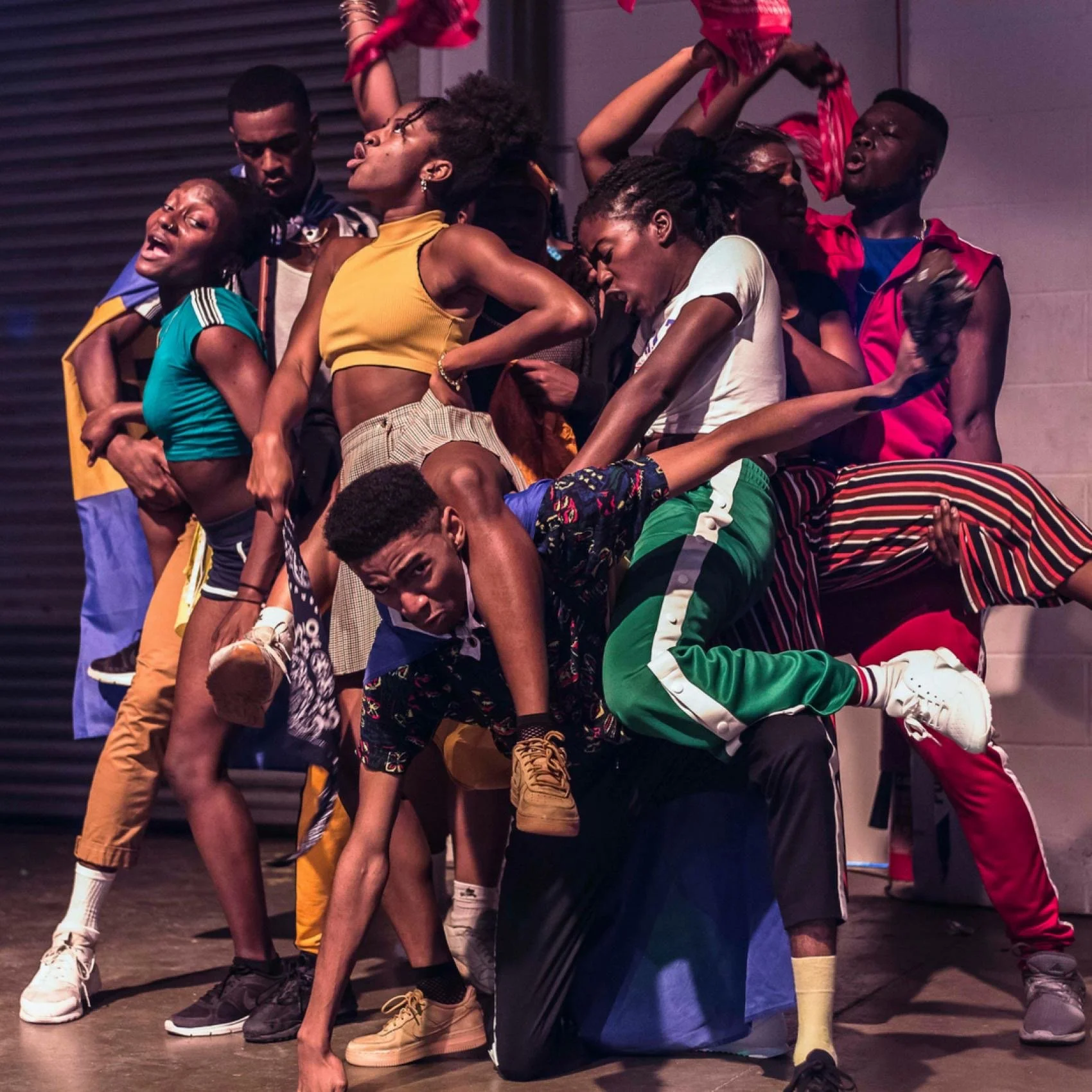
Run it Back
The Black British theatre company now sits inside Fairfield Halls in Croydon, and is mother to a substantial number of productions, recently Play On!, Home Song, Fragments of Us, and more. They will be marking their 40th year anniversary this year with the launch of Talawa 86:26, a showcase geared at celebrating everything; their founders, their legacy and cementing their vision for the next 40 years to come. They’ll be looking at past work and exploring new ways to engage with the catalogue they have built over the years. It’s all exciting stuff really.
Earlier this year, Talawa kicked off their anniversary celebrations by sharing a sample of their archive held at the V&A East Storehouse in Stratford. Carolyn explained excitedly how amongst posters from their shows dating as far back as 1989 and other memorabilia there was an almost forgotten picture of Oprah Winfrey with one of their actors. Talawa’s archive was an important part of the 40th year birthday celebrations, to not only immortalise Talawa’s contributions and efforts to Black British Theatre in history, but also ensure that future luminaries will feel less alone when pushing Black British art forward. They’ll have the luxury of referring back to a canon of rich and informative works of the trailblazers that have come before them. To Michael and Carolyn, this is not just Talawa. For they are only a part of the beautiful picture of Black British theatre. Their stance is that it should all be captured and preserved. To Carolyn, she sees herself and Michael as custodians of Talawa’s legacy, “people who hold onto it for a while before the next people come and hold it”.
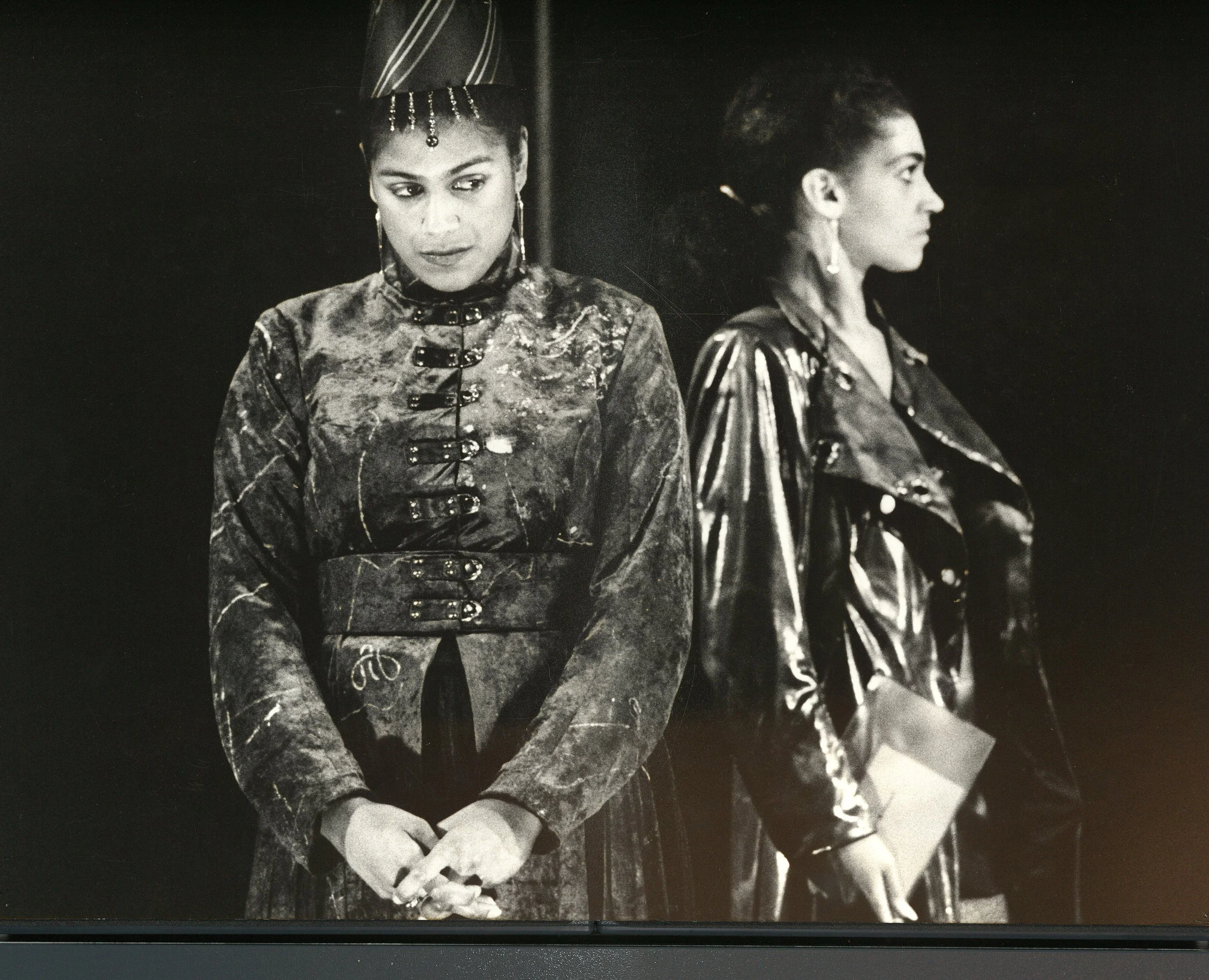
I was delighted to hear about their all-Black British production of Shakespeare’s King Lear. Michael spoke about the uncertainty when it comes to finding performances of these classics with Black actors. It’s not a question of whether they existed, it’s not knowing why they weren’t recorded.
In 2016 the BBC recorded their production of King Lear with 8 cameras. This was a project that brought around an immense amount of joy, putting them with the limited recordings out that people can go back to. You can currently watch part 1 of the King Lear performance on BBC iPlayer and Amazon Prime.
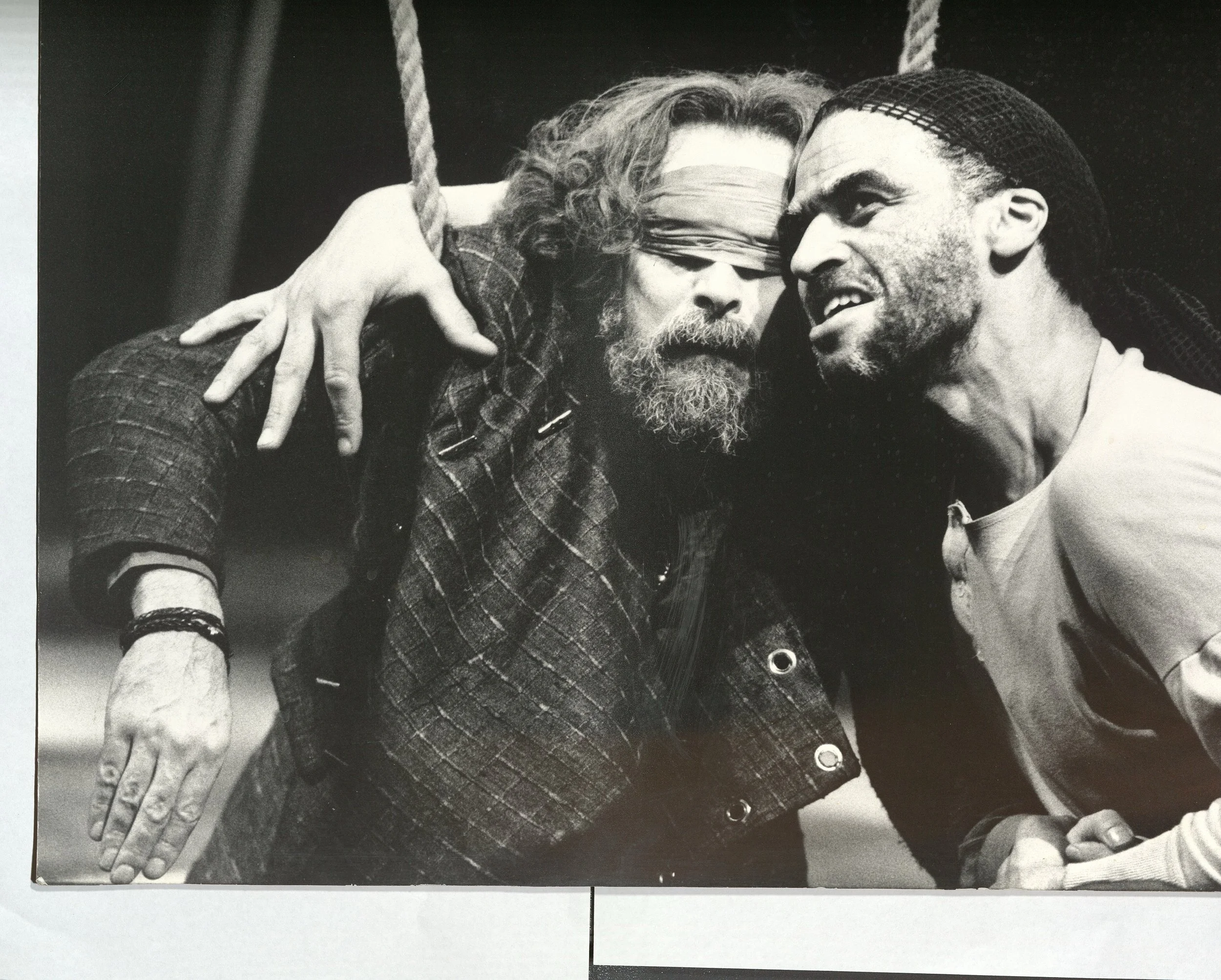
King Lear.
I think about how there has been a push for a more diverse academic curriculum in the arts, for students to study the works and performances by artists of colour. There have been Black actors as characters from classic works for years yet they are not regarded in the same way from the school curriculum. At this point in the conversation, I go on a slight tangent and raise the point about the Black British community deciding what art is important and significant for them, rather than waiting for awards and titles to tell us how worthy of our attention Black art is. What entered our discussion was the succession of Ryan Calais Cameron’s For Black Boys… and how in my mind this was art that young Black people decided was important for them. “When work is culturally specific and artistically rigorous, young people engage,” said Carolyn. She doubles down by commenting the succession of the show wasn’t due to trend. “It reflected a long-standing appetite among young Black audiences to see themselves represented with honesty and scale”.
Championing work that mirrors the bodies that fill up their seats is important to Michael and Carolyn. The more Black people see themselves on stage, the more they will see the arts as an option. When they take these classes they will feel confident to tell their stories. It’s the simple science of representation.
But this effort has not all been smooth running. Carolyn recalled another project of theirs, where they set out to record Run It Back so that it could be accessible on Vimeo. Although it was successful, Carolyn expresses her frustration but also confusion about how expensive it was to get the rights to the music.“I’m not gonna tell you how much it cost” she laughs, “…but it’s extraordinary how much we don’t own the songs we create… this music that has very much come from our community.” At a time where public interests and investment into the arts is at an all time low, in all that they do, Talawa strives to own everything that they own. “That then gives you the power to decide what to do with it,” Carolyn declares.
She also assured me that it’s not a complete bleak picture, and that even in tough climates, Talawa will always find a way to make things work. During the pandemic they would host online cafes for directors, writers and producers. Online workshops to keep people together. It was from these sessions that Tales From The Frontline came to fruition. Michael recalls seeing the news focus on spotlighting the sacrifices that White healthcare professionals made during the COVID-19 pandemic and taking note that there weren’t any Black healthcare professionals being showed the same level of attention, even though research had shown that people of Black African and Black Caribbean ethnicity were more than 4x more likely to die from the virus. They wanted to document their efforts too. Tales From the Front Line is a six-part series on YouTube based on testimonies from not just Black professionals in healthcare, but Black people that worked in shops that were still open, from railway workers and more.
Talawa Theatre Company
”The legacy looking forward is doing more of that bigger, better resourced [work] and working with extraordinary artists that are out there creating amazing stories and making sure people get to see and hear them” - Carolyn ML Forsyth
By celebrating the past 40 years and giving thanks to Black artists and activists Yvonne Brewster OBE, Mona Hammond OBE, Carmen Munroe DBE and Inigo Espejel who founded Talawa to create a home for Black British theatre, the joint CEOs hope is to secure another 40. The programme is set to take them to Brighton, Norfolk and Birmingham with Fragments of Us, with some of the celebrations spanning three years with the Mona Hammond Lecture Series in collaboration with RADA launching in September 2026.
With a fresher than ever ambition, I’m excited to see what comes out of Talawa in the next 40 years. Who knows where being small but mighty might take them next?