
World Boss Reggae Land Set Review: Jamaican Music Dancehall Artist Has Milton Keynes in a Chokehold Performance
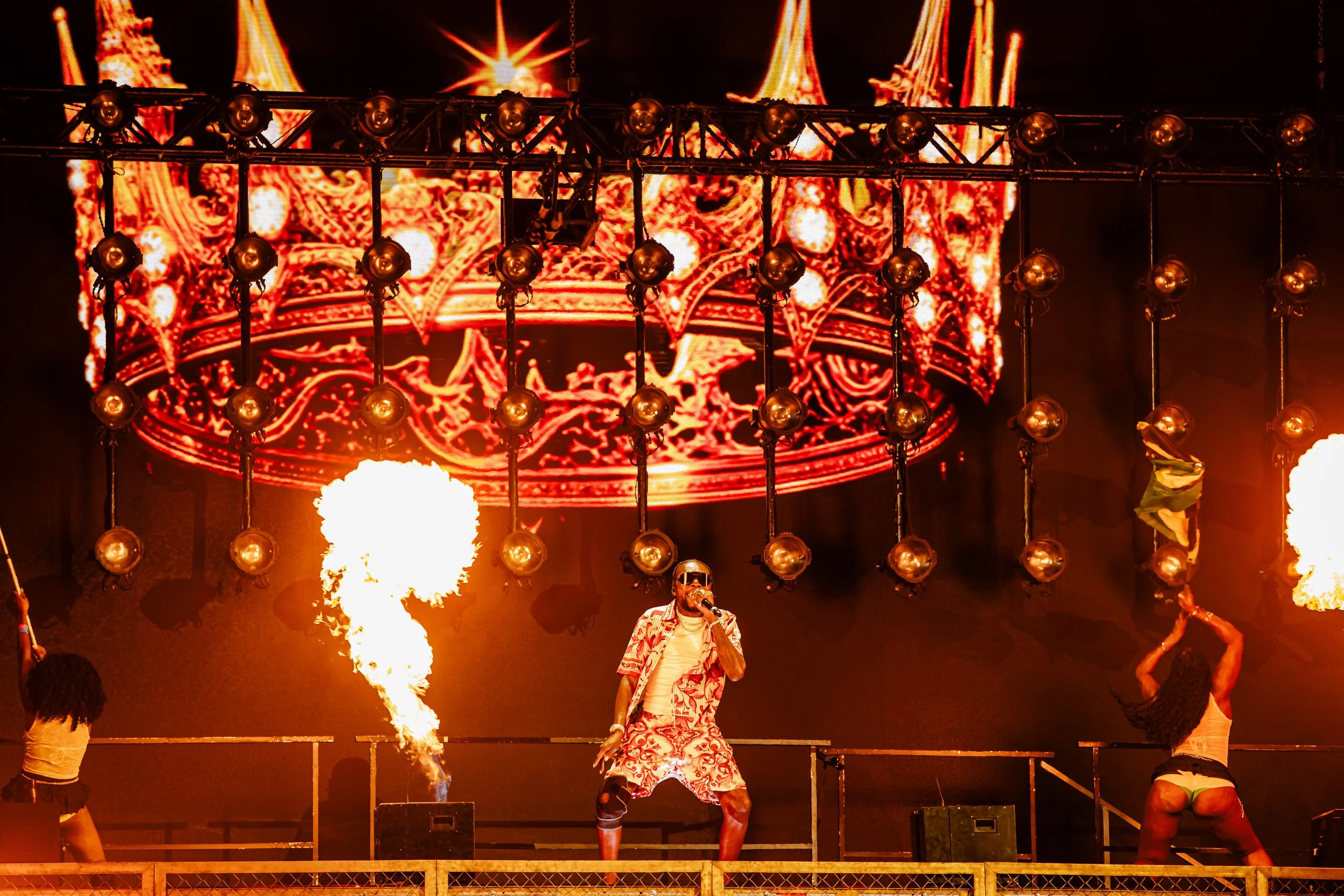
Vybz Kartel at Reggae Land 2026, Photo: Flexxed
Headlining the main stage at the National Bowl in Milton Keynes, Vybz is still at the top of his game as he performs to a sold-out festival with the strongest dancehall line up to grace UK soil.
The Reggae Land Sunday performances welcomed some of the most musically talented Jamaican artists of our time: Sanchez, Beenie Man, Shenseea and Morgan Heritage with a glimmer of Shaggy. For the festival's headlining artist Vybz Kartel, the pitch appeared much more crowded than the evenings before, and for good reason. Kartel, 49, real name Adidja Palmer has been one of the most contemporary Caribbean artists of the 21st century and is smack-bang at the height of his career. He won the title as the Best Caribbean Music Act at the 2026 MOBO awards, along with a host of other prizes in the 2026 International Reggae and World Music Awards ceremony in Florida, securing nine wins out of eleven nominations. After a lengthy prison sentence for a shocking crime, returning to the stage has been the most talked about comebacks; his appearance at Reggaeland carried the weight of years of anticipation - a cultural moment that drew thousands of fans.
For many of us, these songs are woven into the fabric of everyday life. They were the soundtrack to childhoods spent between British and diasporic traditions: playing at family gatherings, weddings, birthday parties and house parties; drifting from living rooms into streets and community halls. The music carried across borders and generations, connecting those born in Britain with parents and grandparents whose own cultural references stretched across Africa, the Caribbean and the wider Black Atlantic.
As the night began to settle, the DJ had already laid down the foundation for the set for what will become the festival's most awaited moment. Familiar beats prompted people to embrace the singalongs, whilst snippets of Kartel’s records peeped through only made the audience buzz with excitement. Hips soon began to swivel to the tempo, teasing the arrival of the Wol’ Boss. By the time the lights transitioned, pulses had reached its pitch.
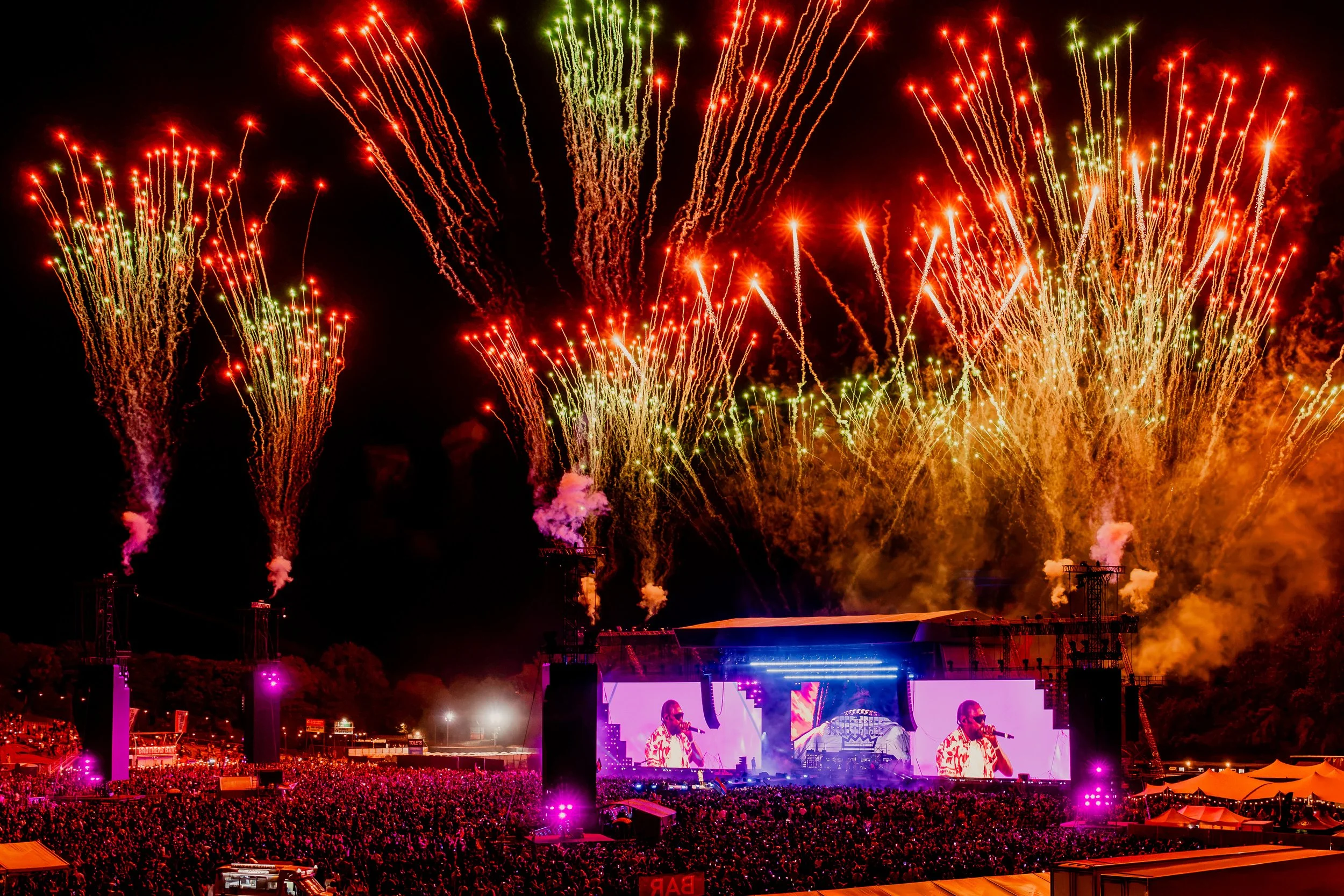
Vybz Kartel at Reggae Land 2026, Photo: Flexxed
Then walked out the man himself, Kartel.
An immediate reaction came from the crowds as they roared at the stage. Fans singing and shouting every word back to him, “me have time for ya” boomed in my ear drum, the scale of the response was striking. Kartel opened with the confidence of an artist fully aware of the significance of his return. His set list did much of the heavy lifting, with familiar hooks and lyrics instantly transforming the crowd into a mass chorus. I found myself dancing as much as listening; fans around me were singing, filming, dancing, and exchanging looks of disbelief as songs that had existed primarily through records were performed in front of them.
The set was not without its imperfections. Vocally, there were moments where Kartel sounded less consistent than on his studio recordings, and the extended absence from live performance was occasionally noticeable. Yet judging the set purely on technical precision would miss what made the occasion so compelling: Kartel's greatest strength on the night was his ability to command the emotional attention of the crowd.
There was also something revealing about the audience's reaction. The years away had not weakened the relationship between artist and fan. If anything, they appeared to have deepened it. Songs that might ordinarily just have been festival favourites felt like personal anthems, with sections of the crowd predicting every word before Vybz delivered it.
The production complemented the performance without overwhelming it. Lighting, sound, and visuals provided the scale expected of a festival headline set, but the focus remained firmly on Kartel and his music. The strongest moments came when the production simply fell away and the audience took over, thousands of voices carrying the songs back towards the stage.
From within that crowd, it was difficult not to appreciate the sheer cultural weight of the moment. Whatever one's view of Kartel as a public figure, his influence on dancehall is difficult to ignore. His return to the stage proved just how deeply his music is still embedded in the genre and in the lives of his listeners.
There were moments when I wanted more: more sustained interaction with the audience, a tighter vocal delivery and greater variation in the pacing. But these shortcomings were overshadowed by the atmosphere of the crowd. By the end of the set, the question was less whether Vybz Kartel had delivered a technically flawless performance and more whether he had made his return count. Judging by the reaction around me, the answer was unequivocally yes. The audience created much of the magic. Watching thousands of people sing back the words to an artist who had spent years away from the stage was a reminder that musical influence isn’t solely measured by chart positions or record sales. Sometimes, it is also by how loudly a crowd recounts every word.
Vybz Kartel's return was unpredictable, but it was significant, emotional, and undeniably memorable. From within the crowd, it was less like watching a conventional festival set and more like seeing a long-awaited chapter in dancehall history.