
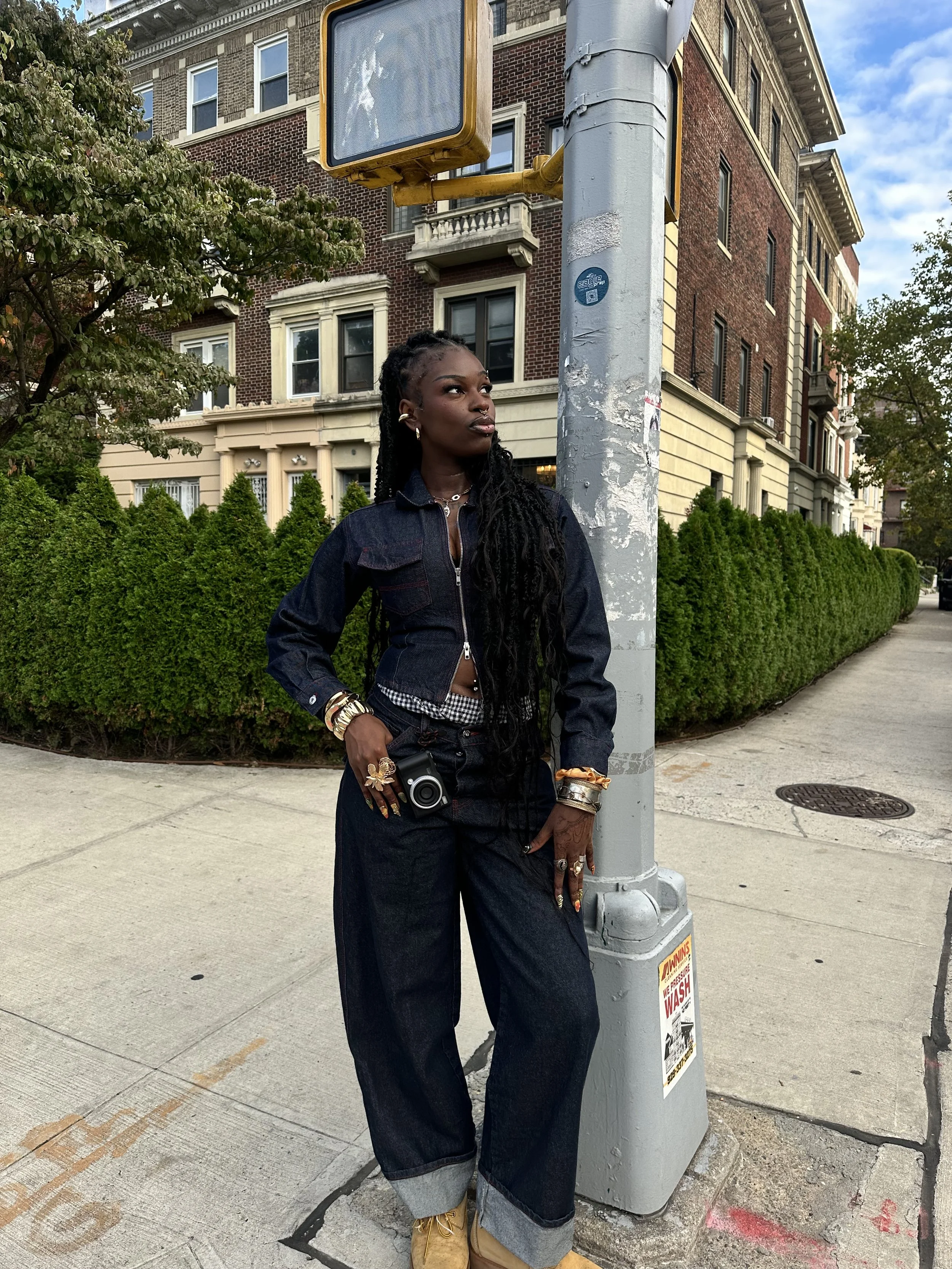
Eliza Adedeji is a multidisciplinary artist and storyteller in her own right. Rooted in expression, identity and arts, her work is a visual representation of stories, experiences and perspectives that shape her world. In our short conversation, Adedeji explains her visual language in greater detail, what it means to portray Blackness and shares words of encouragement to the next generation of creatives.
How would you introduce yourself to someone discovering your work for the first time?
I’m a mother of fifty-leven colourful children, chileeee. All creative, all demanding and some pay my rent. I’m joking. Well- kinda… But I’m an artist first, storyteller second. Curiosity is everything to me! I like to think of myself as a curious storyteller; art just happens to be my medium! And if that earns me a few expected furrowed eyebrows, I simply just say, “I’m an artist.”
Courtesy of Eliza Adedeji
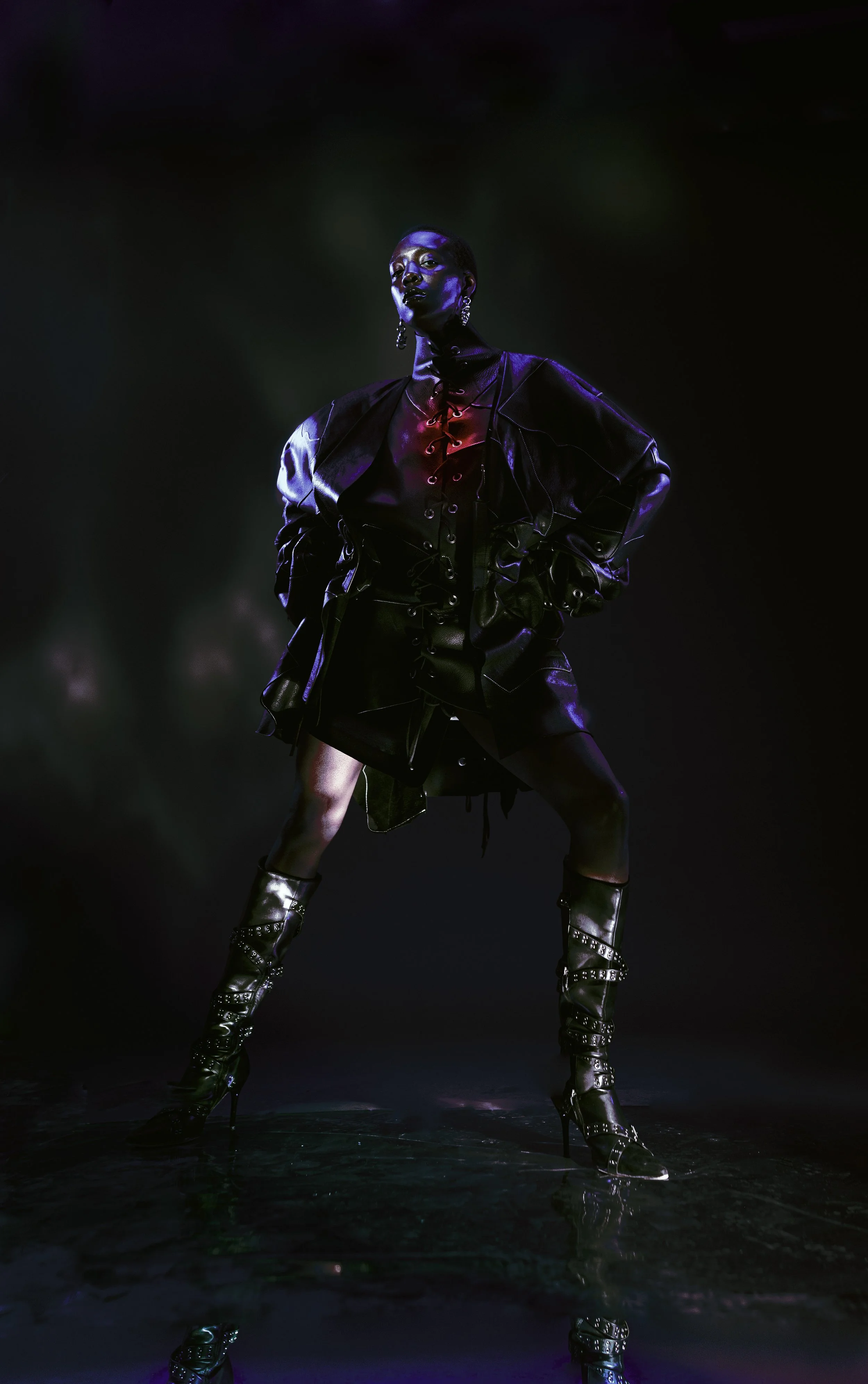
You’ve developed a distinctive signature style which heavily incorporates gradients and dark hues, beautifully complementing darker skin. How did you begin to develop this style of work?
Thank you so much!
I grew up watching a lot of music videos directed by Hype Williams, who, to this day, remains one of my greatest, greatest creative inspirations. I was fascinated by how intentional he was, particularly in his collaborations with cinematographers like Malik Hassan Sayeed and John Perez, in capturing such rich and varied perceptions of Blackness. It was probably my earliest introduction to world-building. The colours, the lighting, the compositions, just the sheer imagination of it all. There was so much range in how Black people could be represented visually.
Of course, at like - six years old, I didn’t quite have the language to understand what I was looking at, but I knew exactly how it made me feel. I think that feeling has stayed with me ever since.
Why is documenting Blackness important to you?
I see it less as documenting Blackness, per se. I’m simply a Black female artist reflecting the accounts of her life, her imagination and her experiences really. In many ways, I am my own muse, but I also love seeing people who look like me embody those emotions, stories and experiences. It’s familiar. It’s home, for lack of a better term. I don’t necessarily approach my work thinking, “How can I document Blackness?” It’s simply an extension of who I am and how I see the world.
Why wouldn’t I?
Courtesy of Eliza Adedeji
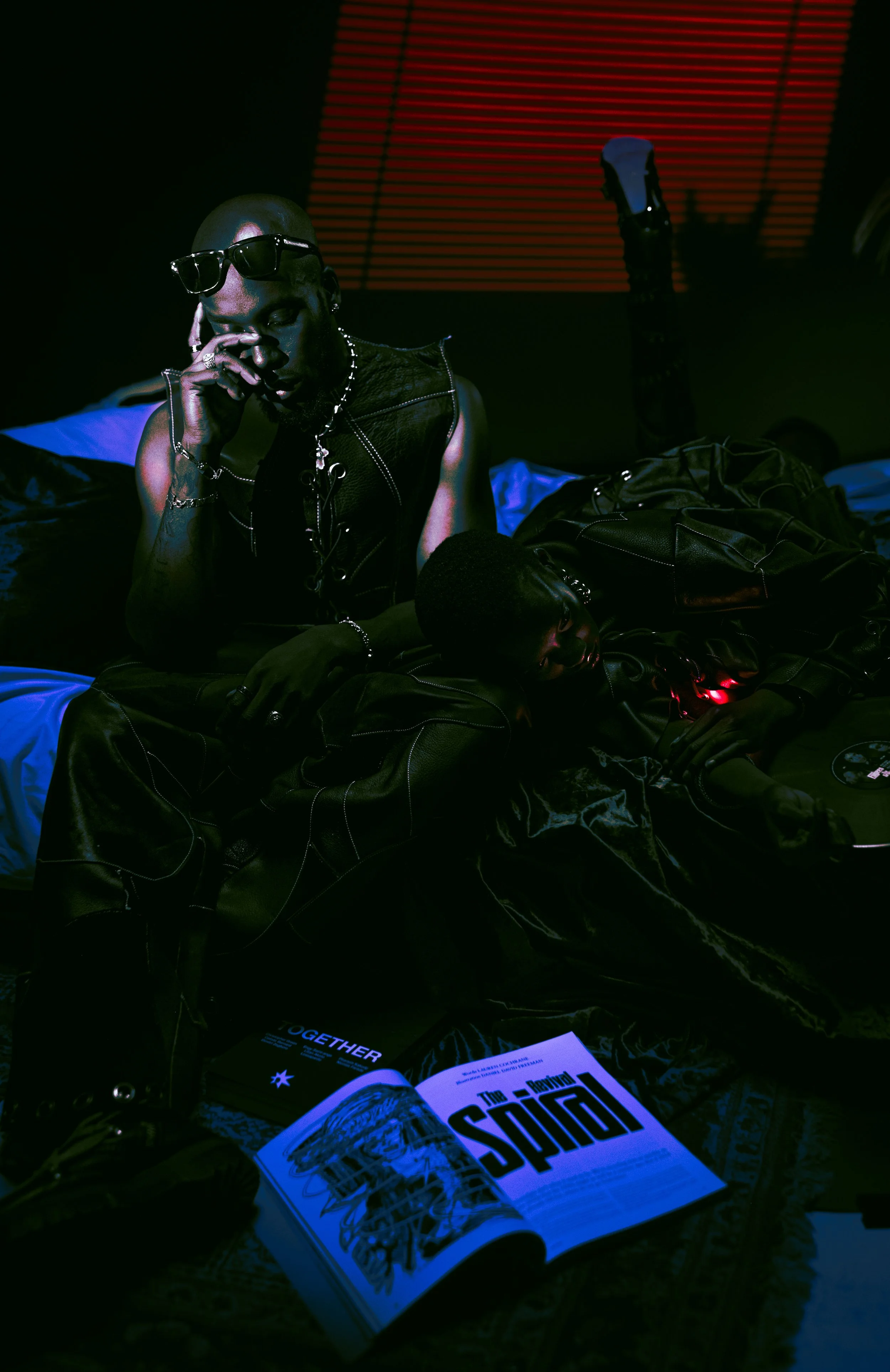
‘A True Tutorial’ explores your honest opinions and approach towards storytelling and the creative process. As a visual artist, where do your ideas begin and end?
I love this question!!
They never begin, and they never end. Creativity is this endless form of foreplay, in my opinion. It’s stimulation, it’s experience, it’s intimacy, it’s ongoing. You never really stop or start. You’re just simply aware that you’ve moved. It’s all around us. I’m a sponge, constantly absorbing things, whether consciously or subconsciously. Conversations, music, people, silence, the most mundane experiences. They all find their way into my imagination somehow.
I’m also deeply invested in every part of the creative process, probably to the point of being annoying to some people! But I think that’s because, to me, creativity doesn’t exist solely in the finished piece. It’s in everything that leads you there, too.
What’s your favourite project so far and why?
Hmm, it constantly changes! (It probs may change in a week as I have a project I’m doing at the moment )
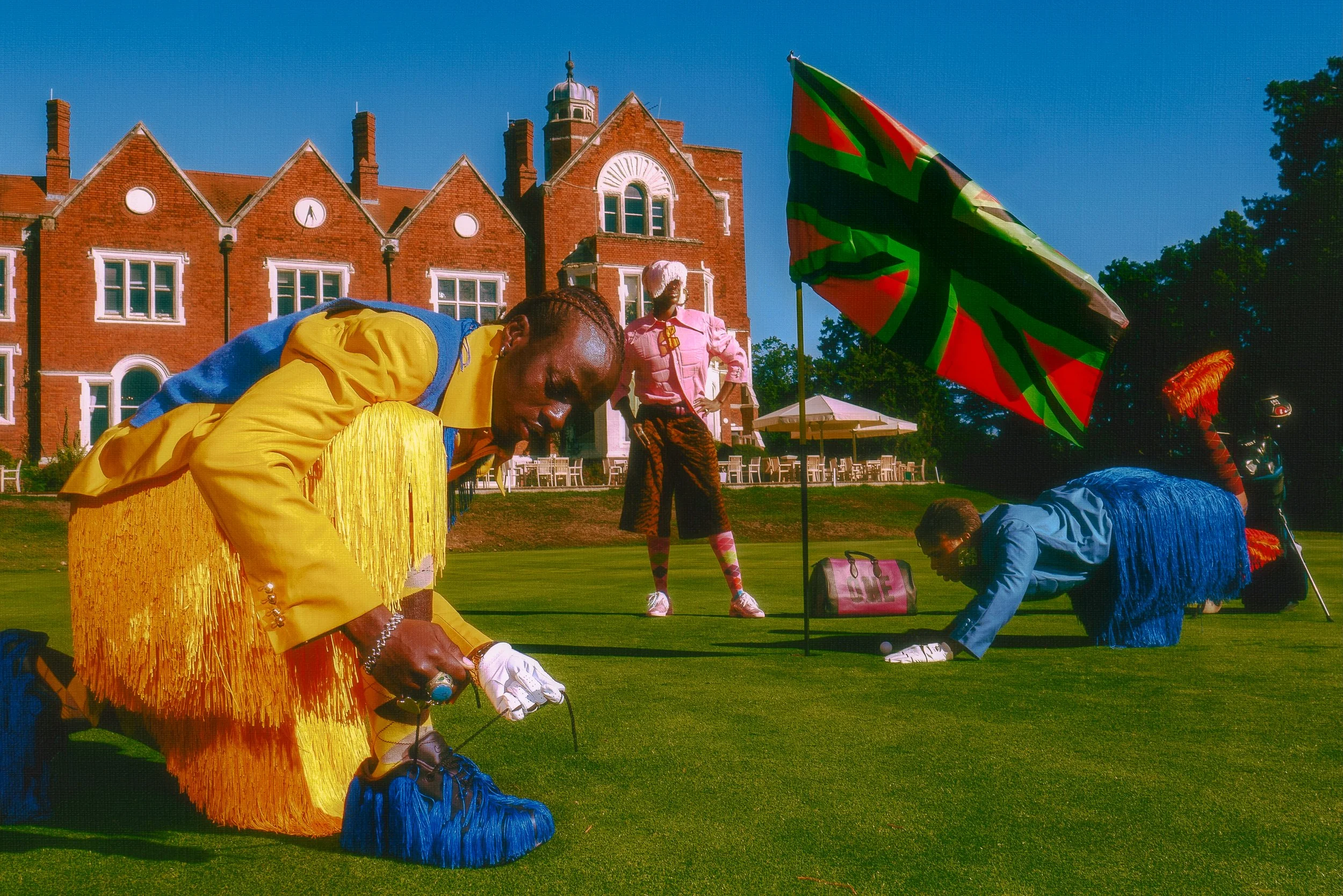
I think it’s somewhere between Blinded and A Seed to Be Buried.’ Both are deeply personal excerpts from different experiences in my life and I love that they allowed me to blend the worlds of moving image and still imagery. Blinded came from a period when I couldn’t quite vocalise how I was feeling, and A Seed to Be Buried emerged from a similarly complex time. Transformation is such a strange and intricate thing, right? What’s fascinating is how different I am now from the person who created those pieces. Yet, when I revisit them, they still manage to teach me something and, in some ways, heal me. They remind me, in a rather beautiful way, of what art was always meant to do. To speak to you, challenge you, heal you and .. inspire you.
Courtesy of Eliza Adedeji
What advice would you give to upcoming creatives?
Firstly, you’re never upcoming or aspiring. You simply are.
Never stop being a student of your craft. Ever. Have a creative alter ego! I think it’s important to separate yourself from your craft sometimes. You are a human before you are an artist, and your work doesn’t have to define your entire existence. You’re also far more creatively intelligent than you realise. And I’m going to be slightly controversial here, but I don’t think creative block is always what we make it out to be. Sometimes you just need to put that phone down momentarily girl and actually experience life! Speak to people. Travel. Fail. Sit in silence. Write. Watch something in a language you don’t understand. Explore. Be curious about things that have absolutely nothing to do with your discipline.
And most importantly, know your why.
Have a deep, unapologetic and unshakeable love for the arts, not just the game. Recognition and accolades may come, but passion can die if you neglect it. Feed your passion, not an algorithm or the need for external validation.
Ok? Ok!
