
Interview with Yemi Dipeolu, Debut Author of Kiss Marry Kill
TW: mentions of domestic violence, femicide.
When it comes to playing games, the characters in Yemi Dipeolu’s Kiss Marry Kill are all experts. At the heart of this thriller is a romance with too many players, all pushing and shoving which ultimately leads to a character's untimely demise.
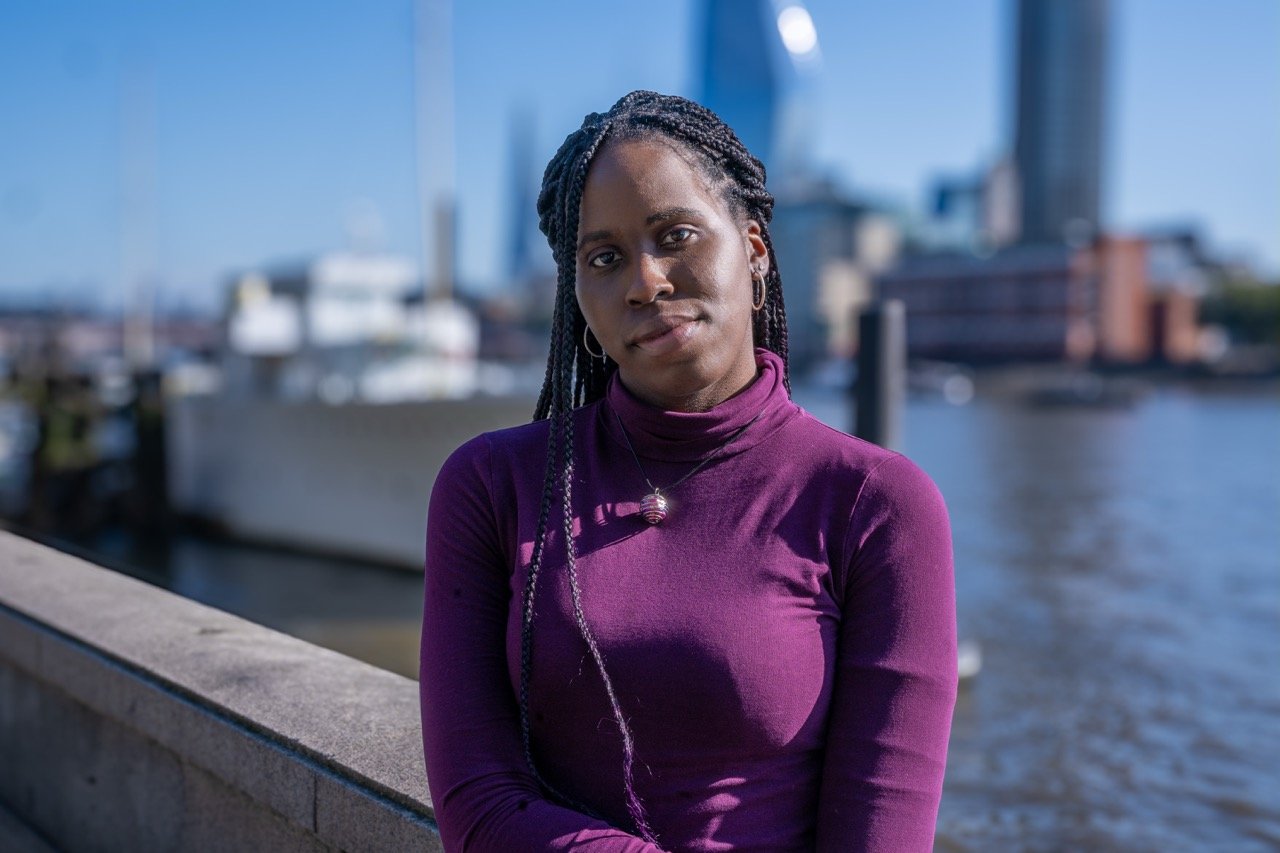
Credit: Faber
Funnelled into this debut, which is set to be published on 23rd April 2026, is Yemi’s love for both romance and thrillers. As in Kiss Marry Kill and in the other stories she has written, Yemi is eager to explore what happens when the happily ever after many people lust for isn’t so happy after all. “In the books I read, someone always dies and someone always falls in love,” she says. The book opens in medias res, with Ade getting married to Ife, but still thinking about how he has betrayed Cynthia. A few sentences later Ade is arrested for suspected involvement in Cynthia’s disappearance. This is the last we read from Ade’s perspective, as the rest of the story unfolds through Cynthia and Ife’s eyes.
We meet Cynthia in a flashback to her frustration towards Ade for not telling his mother, referred to as Mama, that they had moved out together and now live outside London. Cynthia knows that this will blow back on her. Unfortunately for Cynthia, her boyfriend, although the love of her life, is also spineless. Ade is a mummy’s boy (derogatory) and the extent of this is shown clearly as they all gather for dinner. We learn that not only does Mama not like Cynthia, she also throws jabs at Cynthia’s heritage because Cynthia is Jamaican. “Culture was such an important part of this book,” Yemi says. “Celebrating culture, I think that means showing the good and bad parts.” The bad part she’s referring to is Mama's xenophobia towards Cynthia. Commonly referred to online as the diaspora wars, Yemi includes this real tension into her novel because she found it inescapable at some point in her everyday life. Growing up, Yemi was frustrated and found it problematic that her elders would advise her on who she could and could not bring home, and how this hinged on their ethnicity and culture. The moment she realised that Cynthia was Jamaican and that Ade came from a traditional Nigerian household, she knew this was going to be something she had to explore. Yemi dissects desire and how it crosses paths with the demanded order of things. Do you fight back? Or do you, like in Ade’s case, retreat and let Mama do her damage? The novel progresses as a countdown towards Cynthia’s last days where readers will find out exactly what led to her being out of Ade’s life.
There’s a heightened sense of drama, a Nollywood quality to the pacing on the scenes with Mama. She might be the most interesting character to follow and she definitely the most interesting character for Yemi to create. “All of my characters do pretty terrible things to each other,” Yemi says. “So it’s hard to say that I like them.” Mama goes as far as jeopardising Cynthia’s life in order to drive her out of her family. This is Nollywood. Eventually it should become clear to the reader that each terrible act in this book is born out of a warped version of love. Later on in the novel, readers will stumble across Mark, another sweet boy who represents Cynthia’s saving grace as she distances herself from Ade and his family. But Yemi is dedicated to taking her readers on a thrilling journey. At the end of this book, fans might be right to conclude that none of the characters have gotten love right. Maybe except from Tayo, Ade’s younger brother.
I asked Yemi what she did to keep herself safe whilst writing this book. Readers may find themselves contemplating heavy themes such as domestic violence and femicide. She admits that she didn’t take care of herself intentionally but listened to her body when it told her to take a step away. “It’s always a challenge to write crimes and thrillers… you’re dealing with hard topics but as entertainment”. Whilst writing is isolating and insular, part of the art requires an excavation of self. We dig up parts of ourselves to send towards the page. Yemi reflects on the first time she heard that most women end up at the mercy of the men closest to them and it took her a while to digest. This reality is what Cynthia experiences. “All the people that are supposed to love [Cynthia] are treating her poorly” she states. There’s harsh reality written into Kiss Marry Kill. All thrillers contain chilling observations about the real world.
I was interested to hear that initial drafts of this novel were written to be more paranormal. The genesis of this book was a story about a man that was being haunted by his ex-girlfriend. Yemi has shared her inspirations with me. From the structure of the hit TV series This Is Us and the lyrics of Fantasia's When I See You, Yemi has borrowed from different mediums in order to land on this book. As a big believer in learning across all disciplines, going forward into her career, Yemi hopes to network with other creatives and collaborate to create art that isn’t just in writing. “Even though [different disciplines] use different tools and have different ways of expressing ourselves, there is just so much we can learn from each other.” She’s hoping to release another thriller soon.
This is a debut with an engine that will keep you page turning. As characters come to life in Kiss Marry Kill, it transforms into an exploration of love. Like James Baldwin tells us in Giovanni’s Room, when love has nowhere to go it becomes violent.
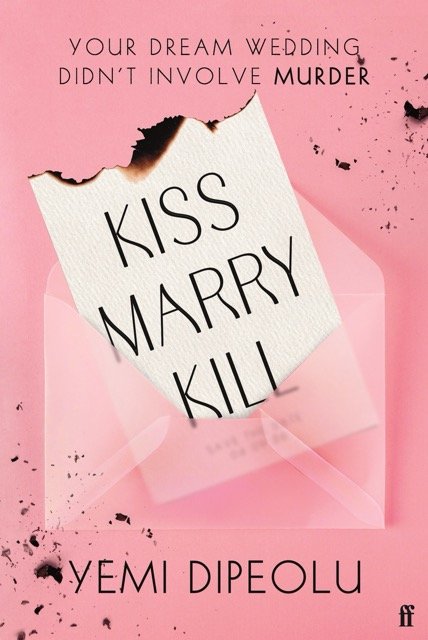
Kiss Marry Kill by Yemi Dipeolu